
Code, Fire, and Accessibility Analysis
Code requirements do not operate independently of the people enforcing them. Project outcomes are shaped by how reviewing authorities apply those requirements to a specific site.
Across states, cities, and agencies, the same conditions can be evaluated differently. Jurisdiction, risk posture, and prior review decisions influence how fire access, accessibility, and life-safety thresholds are evaluated during review.
MMPV Design works with that reality in mind. Our focus is on how the authorities responsible for approval evaluate code, fire, and accessibility requirements, and how those interpretations affect layout, scope, and project viability before permits are issued.

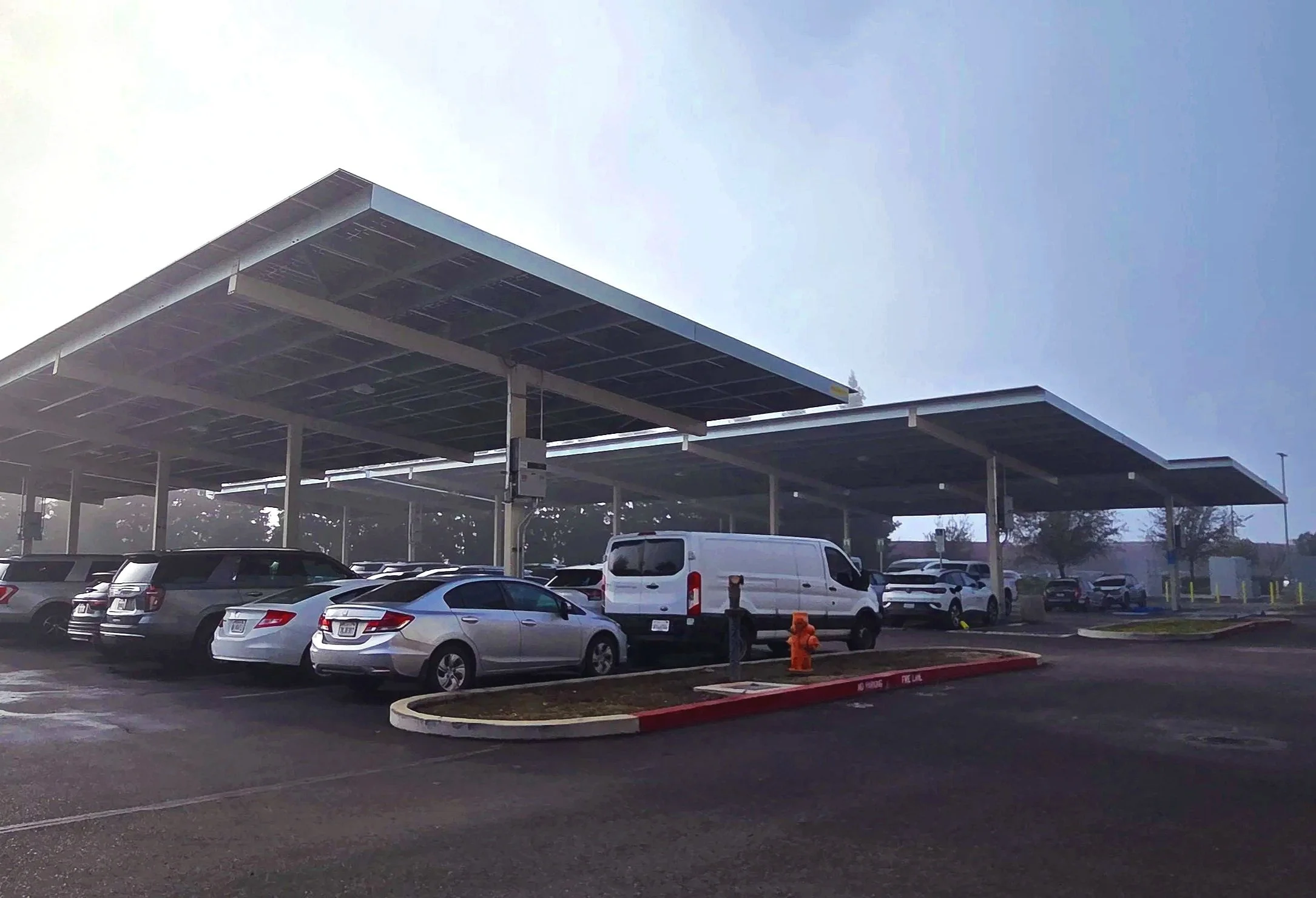
How Jurisdictional Interpretation Shapes Project Outcomes
Projects rarely stall because a requirement was overlooked. They stall when early assumptions about the review framework do not align with how a site is ultimately evaluated.
The same code can be applied differently depending on jurisdiction, authority, and project type. Accessibility, fire access, and life-safety requirements are shaped by local policy and prior review decisions.
Understanding those differences early changes how projects are planned. Instead of designing toward abstract compliance, teams can plan around the conditions that actually determine approval.

What Site-Specific Code Analysis Actually Addresses
A site does not exist in the abstract, and neither do code requirements. Site-specific analysis looks at how requirements are applied to a particular site under a particular authority, including:
How reviewing authorities assess fire access, separation distances, and emergency response conditions
How accessibility obligations extend beyond the immediate scope of work
How responsibility is interpreted when multiple agencies overlap
These issues arise when the proposed scope is tested against site constraints during review. Identifying them early helps determine whether a project can proceed as planned or needs adjustment before layouts and permitting decisions are fixed.

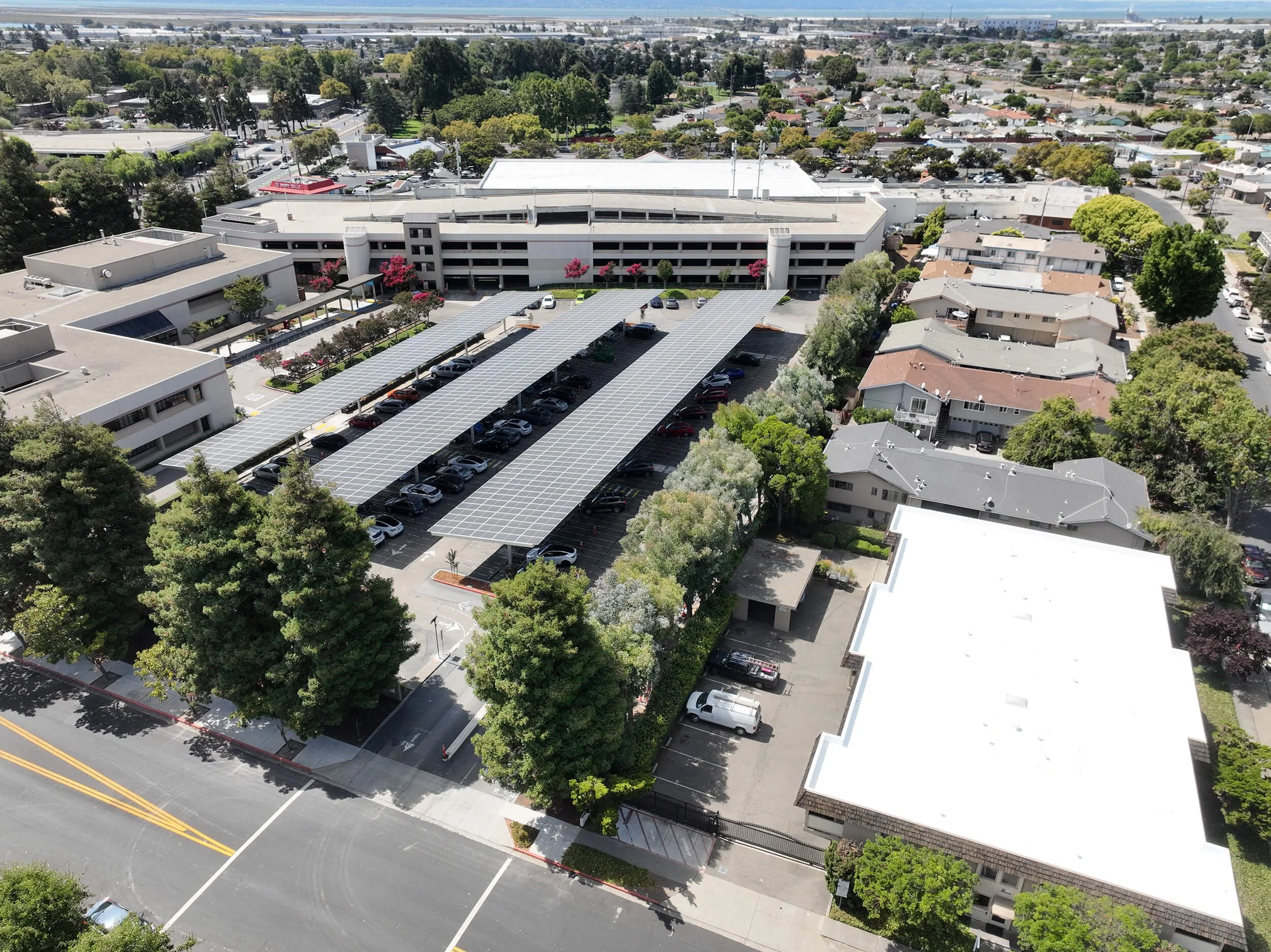
Fire and Life-Safety Interpretation Across Energy Projects
Fire and life-safety review functions as a gating condition across energy projects, regardless of system type. While technical requirements differ, review outcomes are driven by how authorities evaluate risk on an occupied site, not by system efficiency or performance claims.
Why Fire Review Drives Layout Decisions
Reviewing authorities focus on how new infrastructure alters access patterns, proximity to people, and emergency response conditions. When those factors change, previously acceptable layouts are reassessed under more conservative criteria.
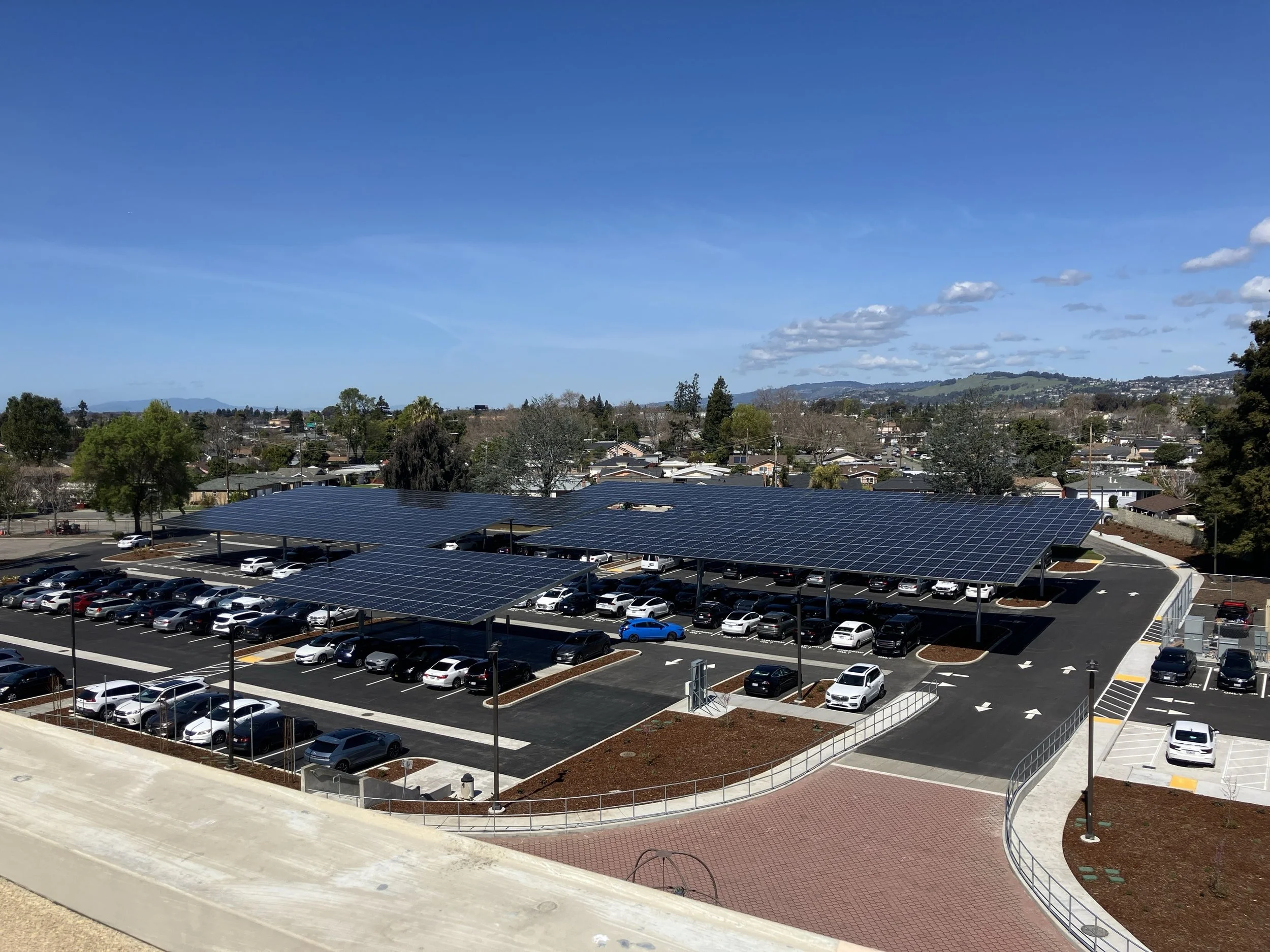
This is especially evident on solar shade structure projects, where equipment placement can disrupt fire access routes or required clearances. In these cases, feasibility is determined less by the solar system itself and more by how its placement affects the surrounding site under life-safety review.
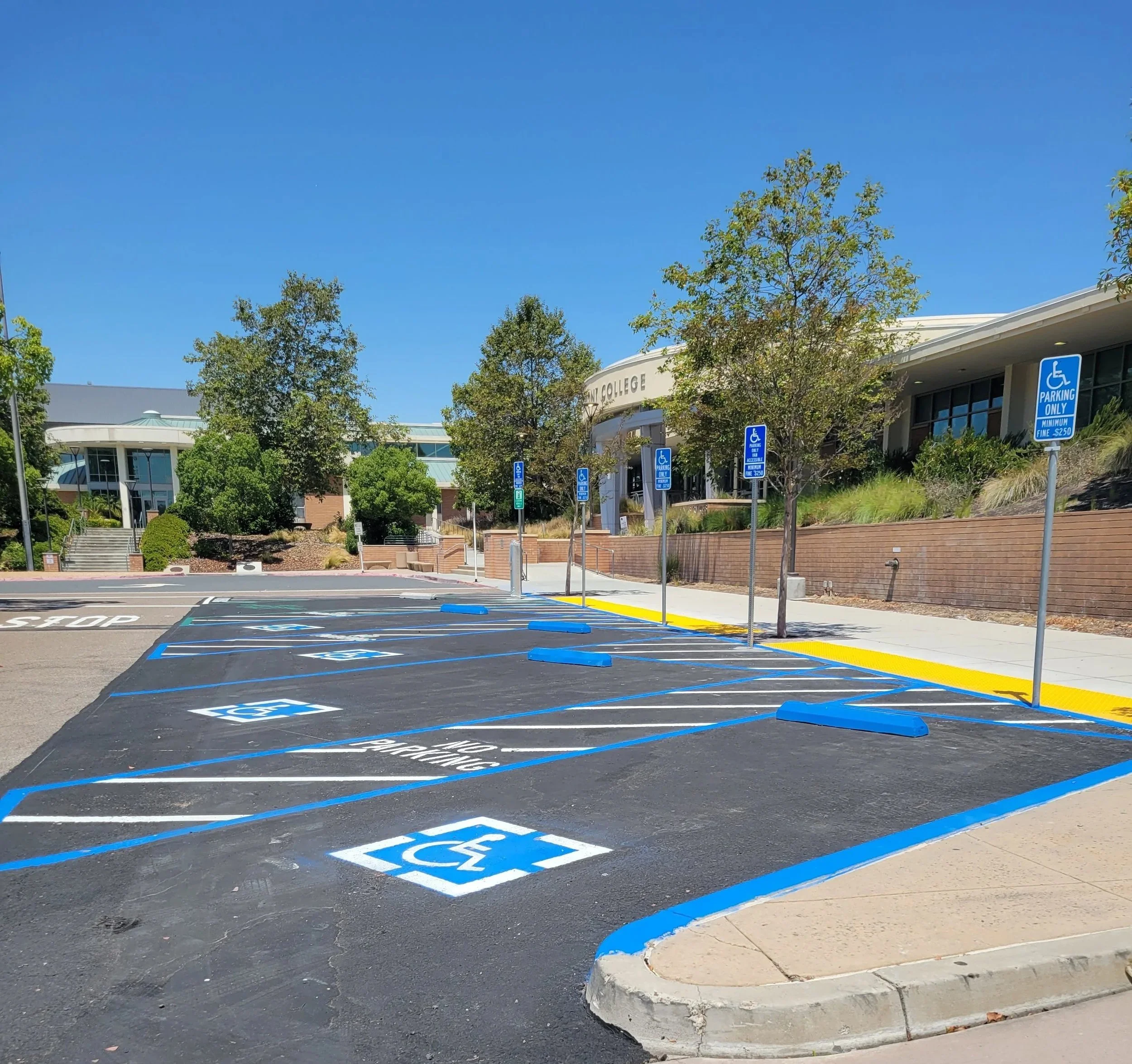
Accessibility and Parking Compliance as a Site-Wide Issue
Accessibility review is not limited to the area where work is proposed. Once site changes are introduced, reviewers evaluate how those changes affect accessibility across the site as a whole.
This review typically considers:
impacts on existing accessible routes
changes to the parking configuration
path-of-travel connections to primary site destinations
On active sites and public facilities, these conditions are reviewed conservatively, with limited tolerance for disruption.
These impacts are especially apparent on sites adding EV charging, since chargers are typically located within parking areas where accessibility requirements are already tightly regulated. Even minor changes to stall layout, grading, or circulation can trigger a broader accessibility review.
When Analysis Is the Right Scope
Not every project requires full design services at the outset. MMPV is engaged to provide targeted analysis before owners or project teams commit to a full design or permitting strategy.
Early Feasibility and Review Alignment
Project teams engage MMPV when feasibility is unclear or when site constraints raise questions that drawings alone cannot answer. Early analysis helps clarify what can realistically be approved before a permitting path is selected.
Resolving Conflicting Review Feedback
Analysis-only support is also used when agencies provide conflicting direction or when review comments indicate that underlying assumptions need to be revisited.
Battery storage evaluations are a common example, where life-safety and site constraints often need testing before committing to a specific layout or approval path.
Looking for More Detail?
Reducing Code and Approval Risk Early
Once approvals are underway, many decisions are difficult to unwind. Addressing code, fire, and accessibility conditions up front keeps options open.
Early, site-specific analysis aligns project decisions with how approvals are actually conducted, reducing the likelihood of redesign, delay, or scope reduction later in the process.